Colorectal cancer – cancer of the colon and rectum – is the second leading cause of cancer-related deaths in Singapore (Singapore Cancer Registry Annual Report 2019). Colorectal cancer strikes men and women with almost equal frequency, while a person with family history of colorectal cancer has a 10 to 15 percent chance of developing the disease.
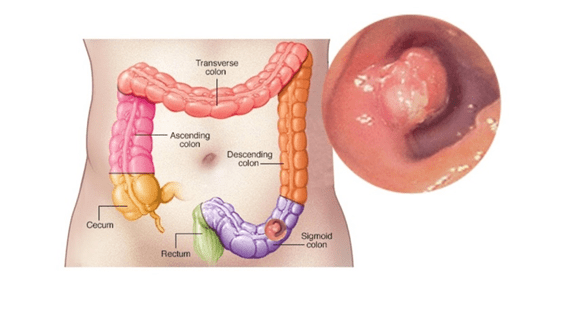
What are the symptoms?
Colorectal cancer can develop without any symptoms at all. When symptoms do occur, they may include the following:
- Blood in or on the stool
- Change in bowel habits
- Stools can be narrower than usual
- General stomach discomfort (bloating, fullness and/or cramps)
- Diarrhoea, constipation or feeling that the bowel does not empty completely
- Weight loss for no apparent reason
- Constant tiredness or new fatigue during activity that was previously tolerated
- Vomiting
What causes colorectal cancer?
The exact causes of colorectal cancer are unknown, but the disease appears to be linked to both inherited and lifestyle factors as well as aging. Colorectal cancer originates from polyps in the colon or rectum.
What is a polyp?
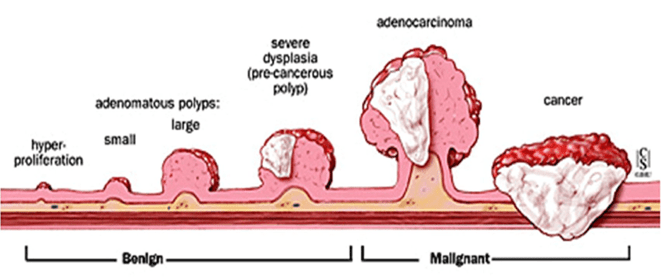
Polyps are pre-cancerous growths that occur in the lining of the colon and rectum. Most of the time, there is no specific identifiable cause as to why a person develops polyps, and it is often due to random generic changes that have occurred in the cells.
Although not all polyps are dangerous, some polyps can turn into cancer over time.
How can you prevent colorectal cancer?
The best way to protect yourself from developing colorectal cancer is to get screened if you are age 45* or older. Although no diet or lifestyle can completely protect someone from developing colorectal cancer, some factors to decrease your risk include: maintaining a diet high in fruits, vegetables and fiber and low in animal fats, getting regular exercise, avoiding cigarette smoking and limiting alcohol consumption.
(*In 2018, secondary to new data on the increased risks of colorectal cancer in those under 50, the American Society of Colon and Rectal Surgery changed recommendations to consider starting screening at age 45 instead of age 50)
What are the screening options for detecting colorectal cancer?
Screening tests are the best option to find and remove polyps before they can become cancer, or to detect an early stage cancer when treatment can be most effective.
Several screening options exist. These include:
- Fecal occult blood test (FOBT) or fecal immunochemical test (FIT)
- Colonoscopy
- CT colonography
For appointments and enquiries, contact us at: +65 6261 9008
 drgohminghui.com